According to the Mayo Clinic, "back surgery is needed in only a small percentage of cases. Most back problems can be taken care of with nonsurgical treatments, such as anti-inflammatory medication, ice, heat, gentle massage and physical therapy." Accurate on face value, but missing an important piece of the puzzle.
Read More

If you have knee arthritis, you've probably been told that walking is good for you. But new research suggests how you walk may matter almost as much as how much you walk. A surprisingly small adjustment in the angle of your feet could reduce stress on an arthritic knee, ease pain and potentially even help protect the joint.
Read More
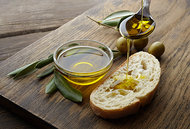
When it comes to controlling blood sugar, most advice focuses on what you eat: fewer refined carbohydrates, more fiber, healthier fats, and sensible portions. But researchers are increasingly interested in another surprisingly simple question: Does the order in which you eat those foods matter?
Read More
 By Editorial Staff
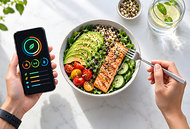
A recent study suggests keeping a food diary can double your weight loss. The study, coordinated by the Kaiser Permanente Center for Health Research and conducted at Duke University Medical Center, Johns Hopkins University and other sites, involved nearly 1,700 overweight or obese adults ages 25 and older. Subjects maintained food diaries for six months...
Read More
You already know that what you eat can affect your weight, blood sugar and heart health. But there may be another part of the equation that gets far less attention: what time you stop eating. Growing research suggests that regularly eating late at night may work against the body's natural metabolic rhythm ... and your liver could be one of the organs...
Read More
Struggling with a child (of any age) who won't touch a single fruit or vegetable you put on their plate? Perhaps it's time for a change of scenery – and by that we mean your choice of dinner plate. Children served on plates containing compartments with pictures of fruits and veggies are more likely to eat these foods – and eat more of them – than if the...
Read More


