Same Meals, Bigger Results?
By Editorial Staff
If you've ever felt overwhelmed by trying to eat "perfectly" every day, new research suggests the answer might actually be simpler: Consistency beats complexity. A recent psychology study on eating habits and weight loss highlights a powerful idea – how you eat may matter just as much as what you eat.
The Surprising Power of Repetition
In the study, researchers tracked people enrolled in a structured weight-loss program and closely monitored their daily eating patterns. What stood out wasn't a trendy diet or a specific food group – it was routine.
Participants who regularly ate similar meals and kept their daily calorie intake relatively stable lost more weight than those who constantly changed their food choices. In fact, sticking to a consistent rotation of meals was linked to noticeably better results over just a few months.
Why Variety Can Backfire
We often hear that variety is the spice of life, but when it comes to weight loss, too much variety can work against you.
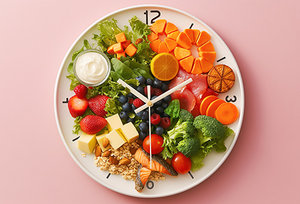 The study found that people who frequently changed meals or had large swings in daily calorie intake tended to lose less weight. Even small increases in calorie variability added up, making it harder to maintain a steady calorie deficit.
This aligns with broader research showing that eating behaviors like impulsive or distracted eating can interfere with weight loss, while structured, intentional habits tend to support it.
It's Not Just About Willpower
One of the most important takeaways: Successful weight loss isn't simply about discipline – it's about reducing the need for constant discipline. When your eating pattern is predictable, you make fewer food decisions, are less tempted by impulsive choices and create a routine your brain can follow automatically.
Beating the Food Boredom Trap
Of course, eating the same meals over and over can feel monotonous – and boredom is one of the fastest ways to derail a healthy routine. The key isn't abandoning repetition but making it more flexible and interesting without losing structure.
Rotate flavors, not meals. Change sauces or spices while keeping core foods the same. Change textures by cooking foods differently. Use a meal template like protein + vegetable + whole grain. Plan one new meal each week. Make presentation matter to keep meals satisfying.
What This Means for You
- Build a short list of go-to meals.
- Repeat them throughout the week.
- Keep your calorie intake consistent.
- Add small variations to prevent boredom.


