Keep the Weight Off: The Power of Timing
By Editorial Staff
Losing weight is challenging enough, but for many people, the even harder part is keeping it off. A study published in Clinical Nutrition suggests intermittent fasting may offer a practical strategy for helping people maintain weight loss after reaching their goals.
Rather than focusing only on what people eat, intermittent fasting focuses on
when they eat by creating planned periods without food. The approach has gained attention because it may help some individuals maintain healthier eating patterns over the long term without requiring constant calorie tracking.
The Challenge of Weight Maintenance
Research shows that after weight loss, the body may increase hunger hormones, reduce energy expenditure, and encourage a return to previous eating habits. This "weight regain cycle" can leave people feeling frustrated, even when they have made significant lifestyle changes. That's why researchers are increasingly exploring strategies that help make healthy habits easier to sustain.
How Intermittent Fasting May Help
Intermittent fasting typically involves limiting eating to a specific window of time each day or incorporating occasional fasting periods. One common approach is time-restricted eating – meals are consumed within a set number of hours and the body has a longer overnight fasting period.
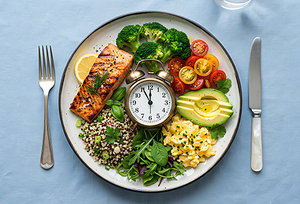 The Clinical Nutrition study examined whether intermittent fasting could help people who had already lost weight maintain those improvements. Researchers found that incorporating fasting periods may support weight maintenance by helping regulate eating patterns and reducing opportunities for excess calorie intake.
The benefit may not come from fasting itself being "magic," but from creating structure. For some people, having clear boundaries around eating can make it easier to avoid mindless snacking, late-night eating, and gradual calorie creep.
Making Intermittent Fasting Work
For those interested in trying intermittent fasting, small changes may be the best place to start:
- Begin with an overnight fast: Extending the natural fasting period between dinner and breakfast may be an easier first step. For example, eat your last meal of the day by 6 p.m. and eat breakfast the next day after
- Prioritize quality foods: A shorter eating window does not replace the need for vegetables, lean proteins, healthy fats, and minimally processed foods.
- Protect muscle: Include adequate protein and resistance exercise, especially during weight loss and maintenance.
- Create a sustainable routine: The best approach is one that fits your lifestyle and can be maintained for months and years.


